





There is something strange happening in the way people buy, share, collect, and talk about things today. We have more technology than any previous generation, yet we keep reaching backwards. Old songs are returning to playlists, retro cameras are being picked up by people who never used film regularly, vintage fonts are appearing on packaging, old television shows are being rediscovered, traditional snacks are being repackaged for younger audiences, and brands are bringing back products that once seemed outdated. Even the things that were considered ordinary a decade or two ago are suddenly being treated as desirable.
At first, it looks like a trend. Look a little closer and it starts to look more like a response to the way modern life feels.
Consumers are surrounded by recommendation engines, short-form videos, artificial intelligence, personalised advertising, constant notifications, and an endless supply of new products. Almost everything is faster, more convenient, and more optimised than before. Yet this abundance has created its own problem. When everything is new, very little feels meaningful. When every brand is trying to be different, familiarity itself starts to feel distinctive.
That is why an old biscuit tin, a handwritten note, a familiar film poster, a childhood snack, or a visual style from the early 2000s can suddenly create more emotional impact than a perfectly polished digital advertisement. The object is ordinary. The memory attached to it is not.
This is where consumer behavior trends become particularly interesting. People are not necessarily moving backwards. They are using familiar things to make sense of the present. Nostalgia gives consumers a feeling of continuity at a time when technology, culture, work, and even the way we communicate are changing rapidly. Research examining nostalgia and consumption has found that nostalgic experiences can influence consumer responses through feelings of social connectedness and continuity, which helps explain why memories can have such a powerful relationship with purchasing and brand perception. (Research)
The New Luxury Might Be Something That Feels Familiar
For years, the idea of premium branding was associated with novelty. New technology, futuristic design, minimal interfaces, innovative materials, and cutting-edge experiences were positioned as signs of progress. Today, something interesting is happening alongside that movement. Familiarity is beginning to carry its own form of value.
Think about the appeal of a product that reminds you of school holidays, your grandparents’ kitchen, an old neighbourhood shop, or the music your parents played at home. Its value does not necessarily come from what the product can do better than a newer alternative. It comes from what the product makes you remember.
This is why nostalgia marketing is more sophisticated than simply putting a vintage filter on an advertisement. Good nostalgia does not ask consumers to admire the past. It gives them a reason to emotionally reconnect with it. A brand may bring back an old package design, revive a discontinued flavour, use a familiar sound, recreate an old advertisement, or build a campaign around a cultural memory. The visual element gets attention, but the memory does the heavier work.
A systematic review of 139 Scopus-indexed studies on nostalgia marketing found that nostalgia can play a role in consumer identity, brand promotion, and the way people establish a sense of self through connections with an imagined or remembered past. (Journal)
That distinction matters because consumers are not buying the past itself. They are buying the feeling that the past gives them.
Why Gen Z Is Obsessed With Things They Never Experienced
Perhaps the most interesting part of this shift is that nostalgia is no longer limited to people remembering their own childhoods.
Gen Z is reviving aesthetics, music, fashion, technology, and cultural references that existed before many of them were old enough to experience them. They are wearing styles associated with previous decades, collecting physical products, recreating older photography styles, discovering older films, and turning once-forgotten internet culture into new forms of identity.
That creates an interesting question. How can someone feel nostalgic about a time they never lived through?
The answer is that nostalgia does not always have to come from personal memory. It can also be inherited, imagined, or culturally constructed. A younger consumer may not remember using a cassette player, but they may associate it with a slower, more authentic version of life through films, family stories, social media, music videos, or older siblings. The object becomes a symbol of a time they believe was less complicated.
Recent research on nostalgia across Gen X and Gen Z has specifically examined how nostalgic brands influence brand awareness, brand image, purchase intention, and willingness to pay, showing that the emotional value of nostalgia can extend across generations rather than belonging exclusively to people with direct memories of a product or era. (Research)
This creates an enormous opportunity for brands. They no longer have to sell only memories that customers already possess. They can create cultural memories that younger audiences want to participate in.
The Difference Between Nostalgia and Nostalgia Marketing
Not every old-looking campaign is nostalgia marketing.
This distinction is important because brands often misunderstand the concept and assume that using retro colours, grainy photography, old fonts, or vintage music is enough. It is not.
Nostalgia works when there is an emotional bridge between the past and the present. The brand needs to understand what the reference means to the audience, not simply what it looks like.
Consider a brand bringing back an old product package. If the packaging is recreated purely because the design looks fashionable, the campaign may generate visual interest. But if the packaging reminds consumers of shopping with their parents, school canteens, family celebrations, or a particular period of their lives, the campaign has a much stronger emotional foundation.
This is where brand storytelling examples become useful. The strongest nostalgic campaigns do not say, “Remember this?” and stop there. They build a narrative around why that memory still matters.
The difference is subtle but powerful. One approach sells a visual. The other sells a feeling.
Why Ordinary Things Feel More Valuable Now
There is another reason ordinary things are becoming interesting again: digital life has made physical experiences feel scarce.
A photograph used to exist as a physical object. Today, thousands of photographs can sit unnoticed on a phone. Music once required physical albums, cassettes, or CDs. Now an entire music library can fit inside a streaming application. Letters required time and effort. Messages now arrive instantly.
Convenience has removed friction from almost everything.
But friction was not always a bad thing.
The fact that something took effort often gave it meaning. A photograph had to be selected, developed, stored, and revisited. A letter had to be written, addressed, posted, and waited for. Buying a record required physically going somewhere and choosing one. These experiences created rituals around ordinary objects.
Modern consumers are increasingly recreating some of those rituals.
That is why physical journals, printed photographs, vinyl records, analogue cameras, collectible packaging, physical books, and offline experiences continue to find audiences despite the availability of faster digital alternatives. People are not necessarily rejecting technology. They are looking for experiences that technology cannot completely replicate.
For marketers, this is an important lesson. Convenience is valuable, but convenience alone does not create emotional attachment.
The Psychology Behind the Comfort of the Familiar
Nostalgia has a psychological function beyond making people feel sentimental. Research involving a meta-analysis of 22 experimental studies and 9,757 aggregate participants found that nostalgia can increase pleasantness, feelings of self-continuity, attitudes, and behavioural intentions, although its effects vary depending on the context and the individual. (Wiley)
That helps explain why nostalgic branding can work particularly well during periods of uncertainty or rapid change. Familiar references create a sense of psychological stability. They remind people that their current identity is connected to something that existed before.
For brands, this means nostalgia can become a shortcut to emotional familiarity.
A new brand has to spend years building memories.
An established brand may already have them.
That is an enormous advantage.
A company that has existed for twenty years can remind customers of where they were ten or fifteen years ago. A newer brand cannot manufacture that history, but it can still participate in cultural memories through storytelling, design, partnerships, and references that already carry meaning.
The smartest brands understand that heritage is not simply about age. It is about meaning.
Why Storytelling Makes Nostalgia Stronger
A nostalgic reference by itself can attract attention, but a story gives it context.
Imagine an advertisement showing an old family kitchen. That image might feel familiar, but the campaign becomes significantly stronger when it tells a story about a child waiting for their mother to finish cooking, siblings arguing over the last piece of a favourite snack, or a family gathering around the same table every Sunday.
The product becomes part of the memory.
This is why brand storytelling examples that rely on nostalgia often work better when they focus on people rather than products. The audience does not need to care deeply about the product yet. They simply need to recognise the emotion surrounding it.
Research into nostalgic corporate storytelling has found that storytelling can influence consumer responses by strengthening perceptions of brand heritage and emotional connection. (Erasmus)
The lesson is particularly relevant for brands trying to communicate in crowded digital spaces. A product feature can be copied. A discount can be matched. A visual trend can be replicated within days. A meaningful story is much harder to duplicate because it is built around a specific emotional relationship between the brand and its audience.
Hyderabad Gives This Trend an Interesting Twist
In Hyderabad, the return to familiar things becomes even more interesting because modern consumption does not necessarily replace tradition. The two often exist together.
A consumer can order food through an app and still prefer the taste of a restaurant they have known for years. Someone can work in a technology company and spend the weekend searching for traditional food, vintage clothing, old music, or familiar neighbourhood experiences. A young audience can be deeply comfortable with digital platforms while simultaneously being drawn toward things that feel less digital.
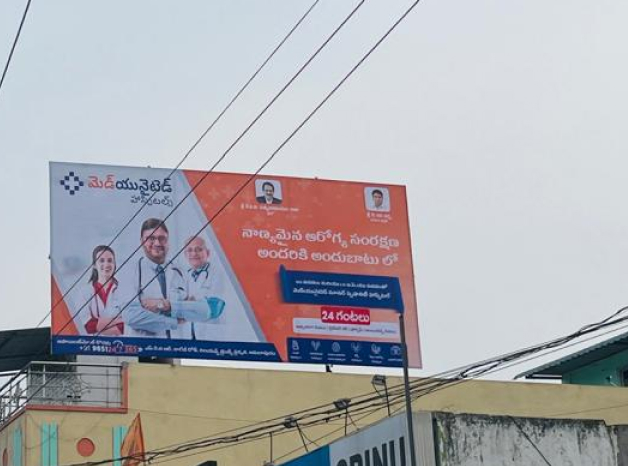
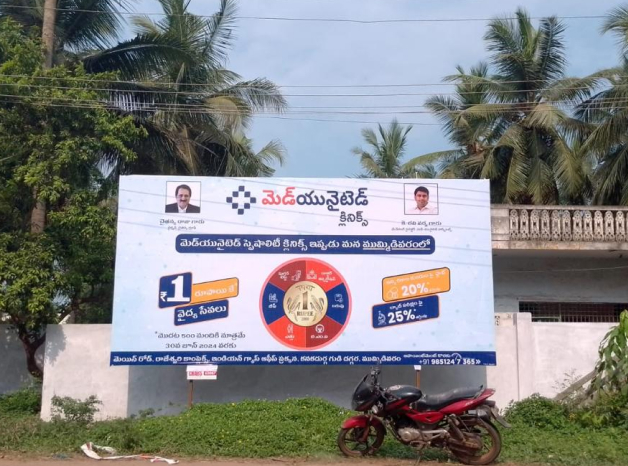
This is where a digital marketing agency in Hyderabad has to look beyond platform metrics. Understanding local audiences requires paying attention to cultural memory, family influence, language, food, neighbourhood identity, and the emotional associations people have with brands and places.
A campaign that works in Hyderabad may not work in exactly the same way elsewhere because the cultural references are different. The insight is not that every brand needs to become nostalgic. The insight is that marketing becomes stronger when it understands what a particular audience already finds meaningful.
For example, a food brand does not necessarily need to tell consumers that its product is “authentic.” It could show the rituals, conversations, sounds, packaging, or family situations that make the product feel authentic. A real estate brand could move beyond square footage and amenities to tell stories about the life people imagine building in that space. A healthcare brand could communicate continuity, family care, and trust rather than relying entirely on clinical language.
The emotional territory changes the entire conversation.
Nostalgia Can Fail Too
There is a temptation to assume that nostalgia is automatically effective. It is not.
The same memory that creates warmth for one audience can feel irrelevant to another. A reference can be too old, too forced, culturally disconnected, or completely unrelated to the product. Worse, brands can accidentally turn nostalgia into a costume.
This is where many campaigns go wrong.
The brand borrows a retro aesthetic without understanding why the audience cares about it. The result looks nostalgic but does not feel nostalgic.
There is also a deeper risk. Nostalgia can make consumers appreciate the past without giving them a reason to buy from the brand today. Heritage alone is not a strategy. A brand has to connect what people remember with what the brand offers now.
The strongest approach is therefore not “bring the past back.”
It is “bring something meaningful from the past into the present.”
That difference is what turns nostalgia from decoration into strategy.
What This Means for Modern Marketers
The return of ordinary things is not really a rejection of modernity. It is a reminder that consumers do not make decisions based entirely on functionality, convenience, or novelty. They also look for familiarity, identity, belonging, memory, and emotional reassurance.
This changes how brands should approach content.
Instead of asking only what is trending, marketers should ask what already means something to their audience. Instead of copying retro aesthetics, they should understand the memories behind them. Instead of recreating old campaigns exactly, they should identify what made those campaigns emotionally relevant in the first place.
A strong strategy can begin by asking a few simple questions:
- What memories does our audience associate with this category?
- Which familiar rituals have disappeared or changed?
- What cultural references could make our brand feel closer to people?
- Can we connect something from the past to a current consumer need?
- Are we using nostalgia because it makes strategic sense, or simply because it looks good?
These questions move nostalgia from a creative trend into a consumer insight.
The Bigger Lesson Is Not About Nostalgia
The most interesting thing about this shift is that nostalgia itself may not be the real story.
The real story is that people are searching for meaning.
They are living in an environment where technology makes everything faster, algorithms constantly introduce something new, and brands compete aggressively for attention. In response, consumers are rediscovering things that feel familiar because familiarity offers something that endless novelty cannot always provide: emotional grounding.
That gives brands an important opportunity, but it also creates a responsibility. If nostalgia is used only as a shortcut to sell something, audiences eventually notice. If it is used to tell a genuine story, reconnect generations, revive meaningful experiences, or reinterpret something familiar for a new audience, it can create much stronger relationships.
This is where creative strategy becomes more than making something look good. It becomes an exercise in understanding memory, culture, behaviour, and context. At RedCrabs, this kind of thinking sits at the intersection of research, storytelling, creative execution, and digital marketing. The objective is not to make every brand nostalgic. It is to understand what makes an audience care and then build communication around that insight. Digital Marketing
Final Thoughts
Maybe we are not actually falling in love with ordinary things again.
Maybe we are finally noticing what made them meaningful in the first place.
A familiar song, an old package, a handwritten note, a childhood flavour, a particular photograph, or even a design style from another decade can remind people of a version of themselves that still exists somewhere beneath the speed of modern life. For brands, that creates a powerful lesson. The future of marketing may not always belong to whoever creates the newest thing. Sometimes it belongs to whoever understands why people still care about the old ones.
The opportunity is not to copy the past. It is to understand it, reinterpret it, and give people a reason to experience that feeling again in a way that makes sense today.
That is what makes nostalgia marketing more than a passing aesthetic trend. When backed by genuine consumer insight and thoughtful brand storytelling examples, it can become a way for brands to create familiarity in a world that constantly demands something new.
And perhaps that is the real lesson for every digital marketing agency in Hyderabad and every brand trying to understand changing consumer behavior trends: people may always want something new, but they will never stop looking for something that feels like home.
If you want to turn those human insights into a stronger brand story, content strategy, or digital presence, work with RedCrabs Creative Works.