

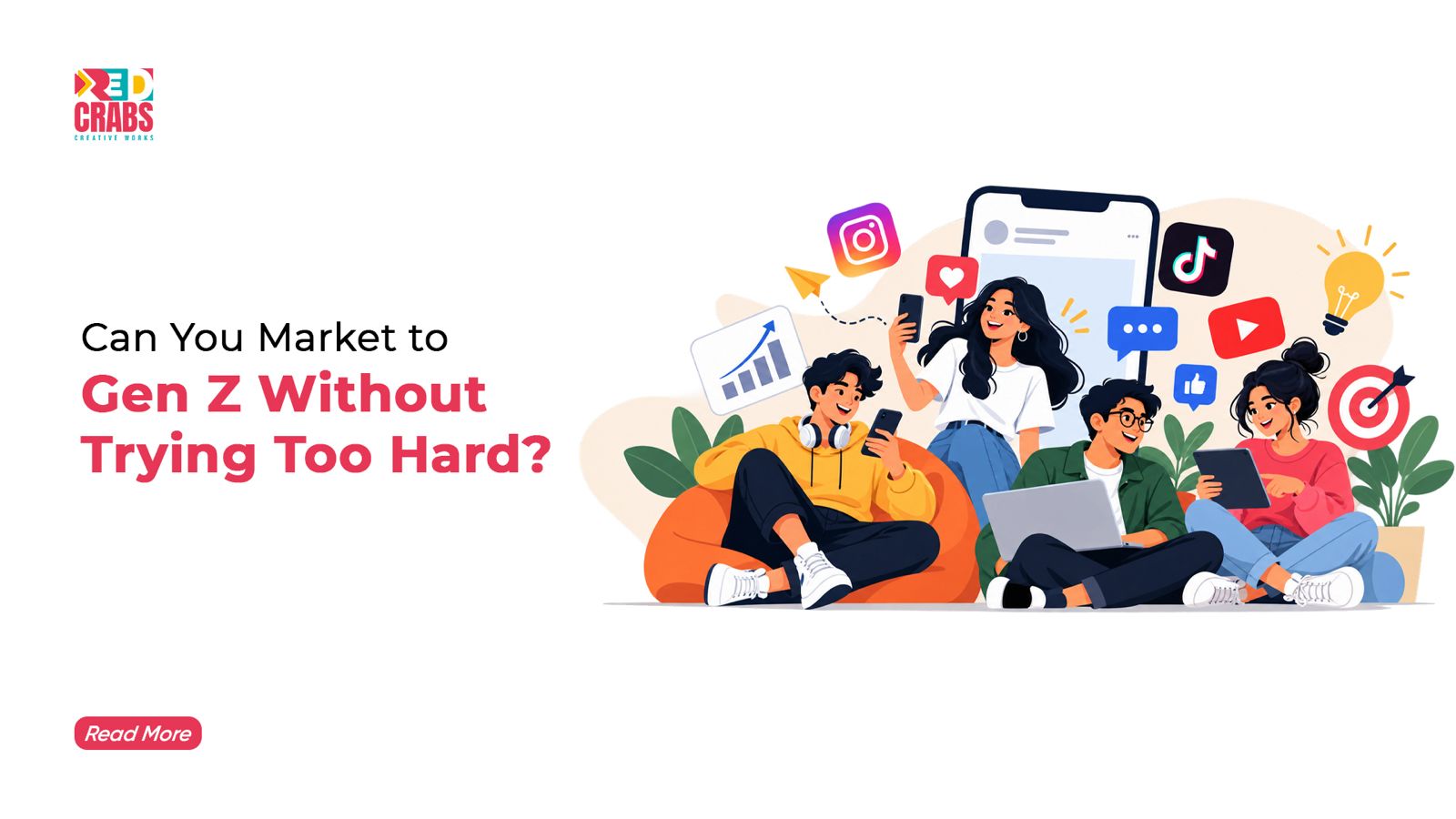
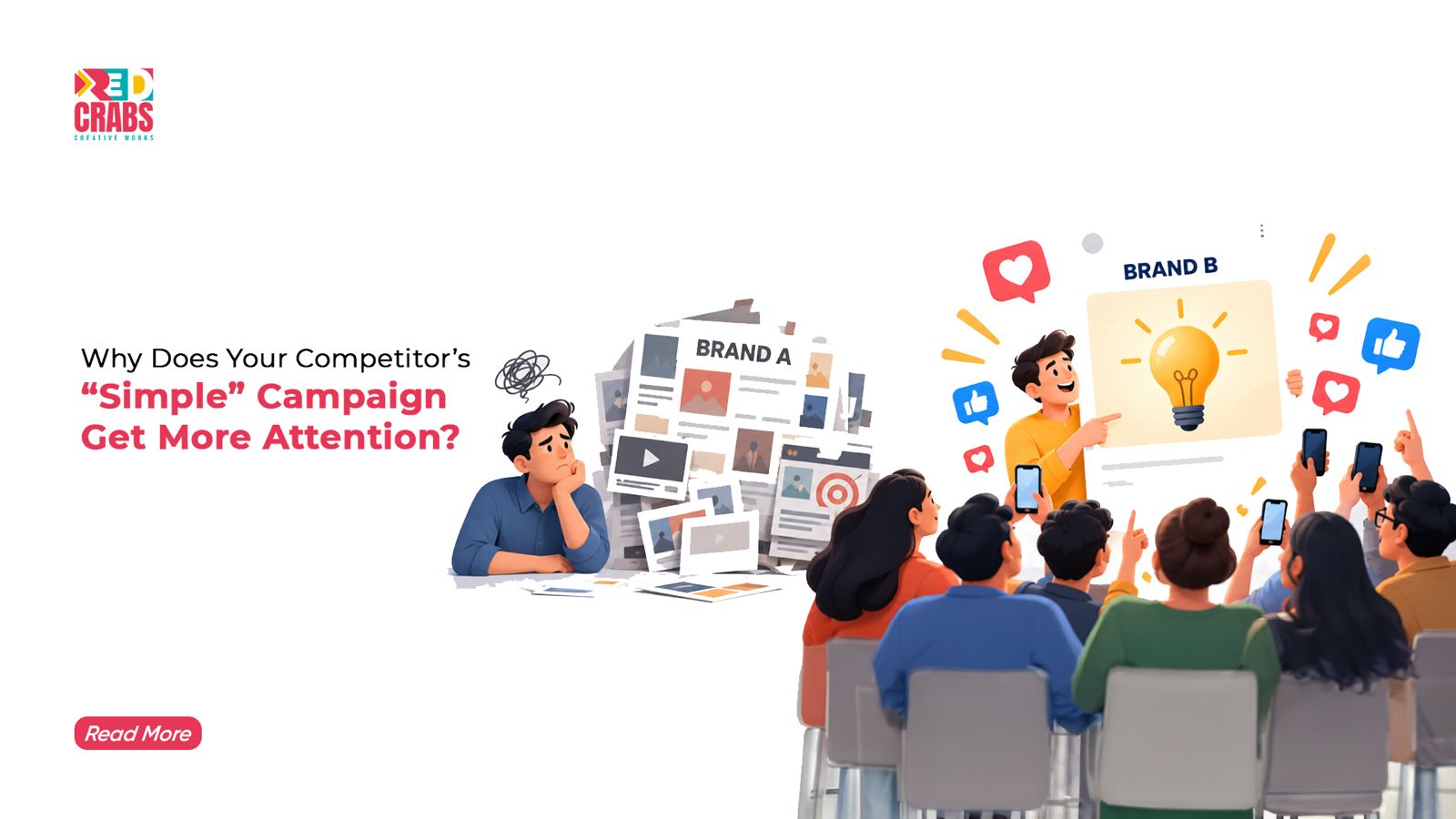

Every brand wants to connect with Gen Z. Suddenly, marketing conversations are filled with trending audio, memes, slang, influencer collaborations, aesthetic Reels, and brands trying to sound like they belong in a group chat.
Some of these campaigns work brilliantly. Others feel like someone from the marketing team spent ten minutes on social media, picked up a few trending words, and decided that was enough to understand an entire generation.
And that is exactly where things get interesting.
Gen Z is not difficult to market to simply because it has different preferences. The challenge is that this audience has grown up surrounded by digital content, online conversations, and constant brand communication. They have seen countless advertisements, influencer promotions, and viral campaigns. So, when a brand tries too hard to appear relatable, the effort can sometimes become the very reason people lose interest.
The question is not whether your brand should use trends, memes, or social media humour. It is whether your brand can use them naturally without losing its identity.
Because marketing to Gen Z is less about pretending to be young and more about understanding what makes this audience pay attention.
Why Brands Are Paying More Attention to Gen Z
Gen Z represents an important audience for brands across industries. They influence conversations around fashion, technology, entertainment, lifestyle, food, education, and purchasing decisions. Their digital habits also make social platforms an important part of how many of them discover products and interact with businesses.
For marketers, this creates opportunities to build awareness, introduce products, and develop long-term relationships with younger consumers.
However, Gen Z is not one single audience with identical interests. A college student discovering affordable fashion, a young professional researching financial services, and someone starting a business may all belong to the same generation but have very different expectations.
Even their platform preferences can vary. Pew Research Center’s 2025 research on US teenagers found that YouTube, TikTok, and Instagram were among the most widely used platforms, with usage patterns varying across demographic groups. These findings describe US teenagers, not all Gen Z consumers or Indian audiences, but they demonstrate why marketers should avoid treating an entire generation as one uniform group. (Source: Pew Research Center, Teens, Social Media and AI Chatbots 2025)
For brands, the opportunity is not simply to reach younger people. It is to understand what different groups within this generation actually care about.
Stop Trying to Sound Like Gen Z
One of the easiest ways for a brand to lose credibility is to force a personality that does not feel natural.
Using slang, popular phrases, and internet jokes can make content entertaining when they fit the brand. But when every caption is filled with trending expressions, the communication can start feeling like an imitation rather than an actual brand personality.
Imagine a premium financial services company suddenly using internet slang in every post. It might work occasionally, but if the entire communication style changes overnight, the audience may find it difficult to take the brand seriously.
The same applies to healthcare, education, technology, and other industries where trust and clarity matter.
A brand does not need to use the latest slang to connect with younger audiences. It needs to communicate in a way that feels natural, understandable, and relevant.
A good rule is to adapt your language to your audience without abandoning your brand voice.
Being conversational is not the same as trying to sound young. Being funny is not the same as using every meme. And being relatable does not mean pretending to be someone you are not.
Authenticity Matters More Than Forced Relatability
Gen Z has grown up with sponsored content, influencer partnerships, product placements, and digital advertisements. This makes it important for brands to communicate honestly and avoid making every interaction feel like a sales pitch.
A 2025 academic study exploring Gen Z responses to influencer-driven social media advertising found that participants valued genuine content, transparency, and creative ideas over highly produced but hollow promotional messages. The study used a non-probability sample of 105 Gen Z participants, so its findings should be viewed as useful research rather than a universal rule. (Source: Gen Z’s Code: Cracking the Authenticity Formula in Influencer-Driven Social Media Advertising)
Think about the difference between these two approaches.
Forced promotional content:
“Our brand is the ultimate solution for all your needs. Don’t miss out. Shop now!”
More natural communication:
“Looking for something that actually makes your everyday routine easier? Here’s what this product can help with.”
The second message feels more like a conversation because it begins with a customer need rather than an immediate sales pitch.
Authenticity also comes from showing the real people behind the brand, sharing useful information, acknowledging customer feedback, and being transparent about promotions and partnerships.
You do not need to make every post look unedited or informal. You simply need to make sure the communication feels believable.
Understand the Platforms Before Creating the Content
One of the biggest mistakes in Gen Z marketing is assuming that the same content will work everywhere.
A Reel that performs well on Instagram may need a completely different approach on YouTube Shorts. A LinkedIn post targeting young professionals should not necessarily sound like a TikTok caption. Each platform has its own content environment and audience expectations.
Consider the different roles these platforms can play:
Instagram: Useful for visual storytelling, Reels, creator collaborations, product discovery, and building a recognisable brand personality.
YouTube: Suitable for tutorials, reviews, product demonstrations, educational videos, and longer-form storytelling.
TikTok: Can support trend-led content, entertainment, creator collaborations, and short-form discovery where the platform is available to the target audience.
LinkedIn: Relevant for reaching students, young professionals, early-career audiences, and people interested in business, careers, and industry insights.
Snapchat: Can be useful for visual communication and direct audience interaction, depending on the target market.
These are starting points, not fixed rules. Platform choices should be based on audience research, campaign objectives, and actual performance.
For example, Pew Research Center’s 2025 survey found differences in how US teenagers use platforms such as YouTube, TikTok, Instagram, and Snapchat. This is a useful reminder that social media habits are not identical across channels. (Source: Pew Research Center, Teens, Social Media and AI Chatbots 2025)
For Indian brands, it is important to validate these observations through local customer research rather than directly applying US audience data.
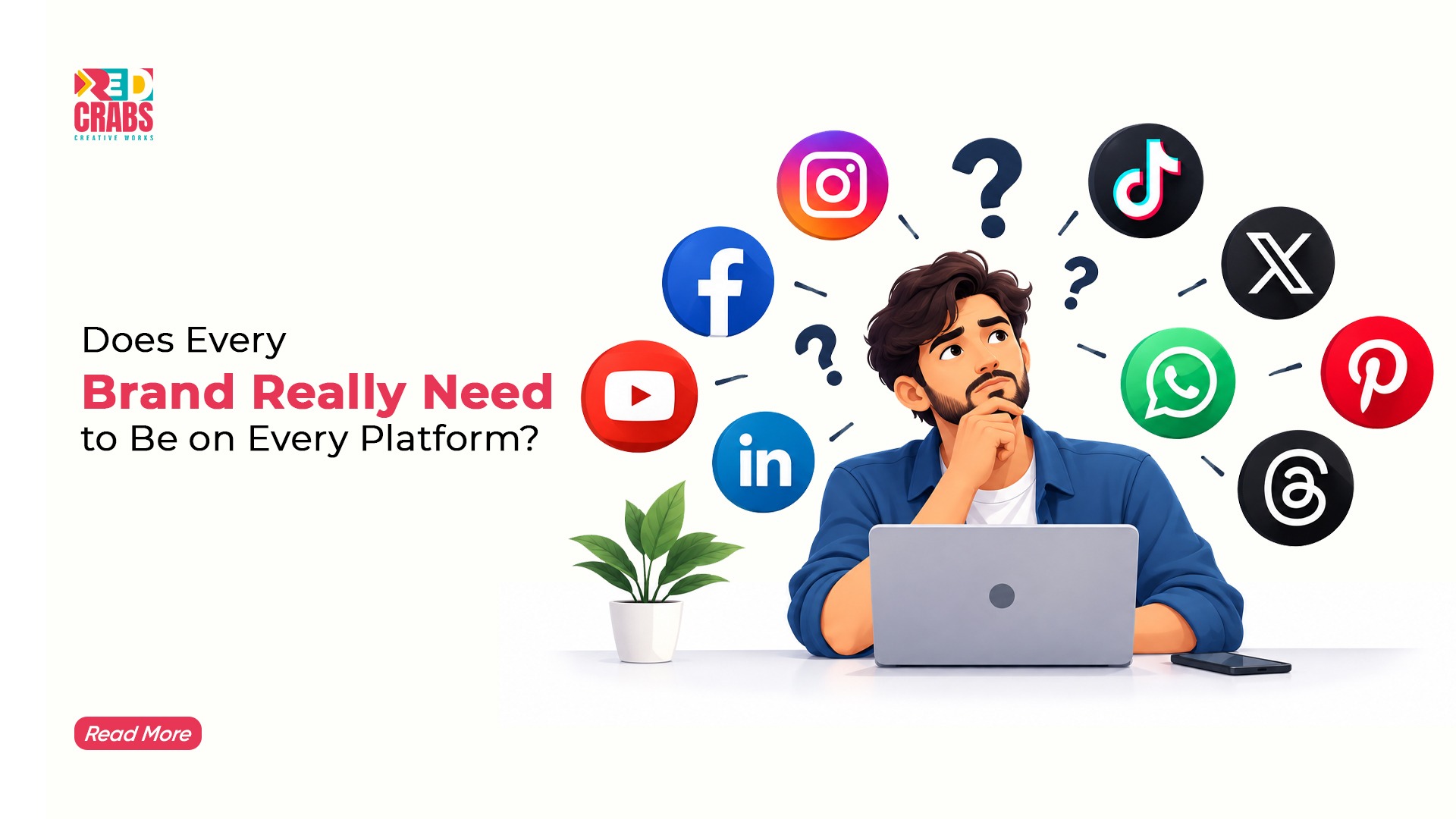
The objective is not to be present on every platform. It is to create the right kind of content where your intended audience is active.
Why Relatable Content Often Works Better Than Constant Promotions
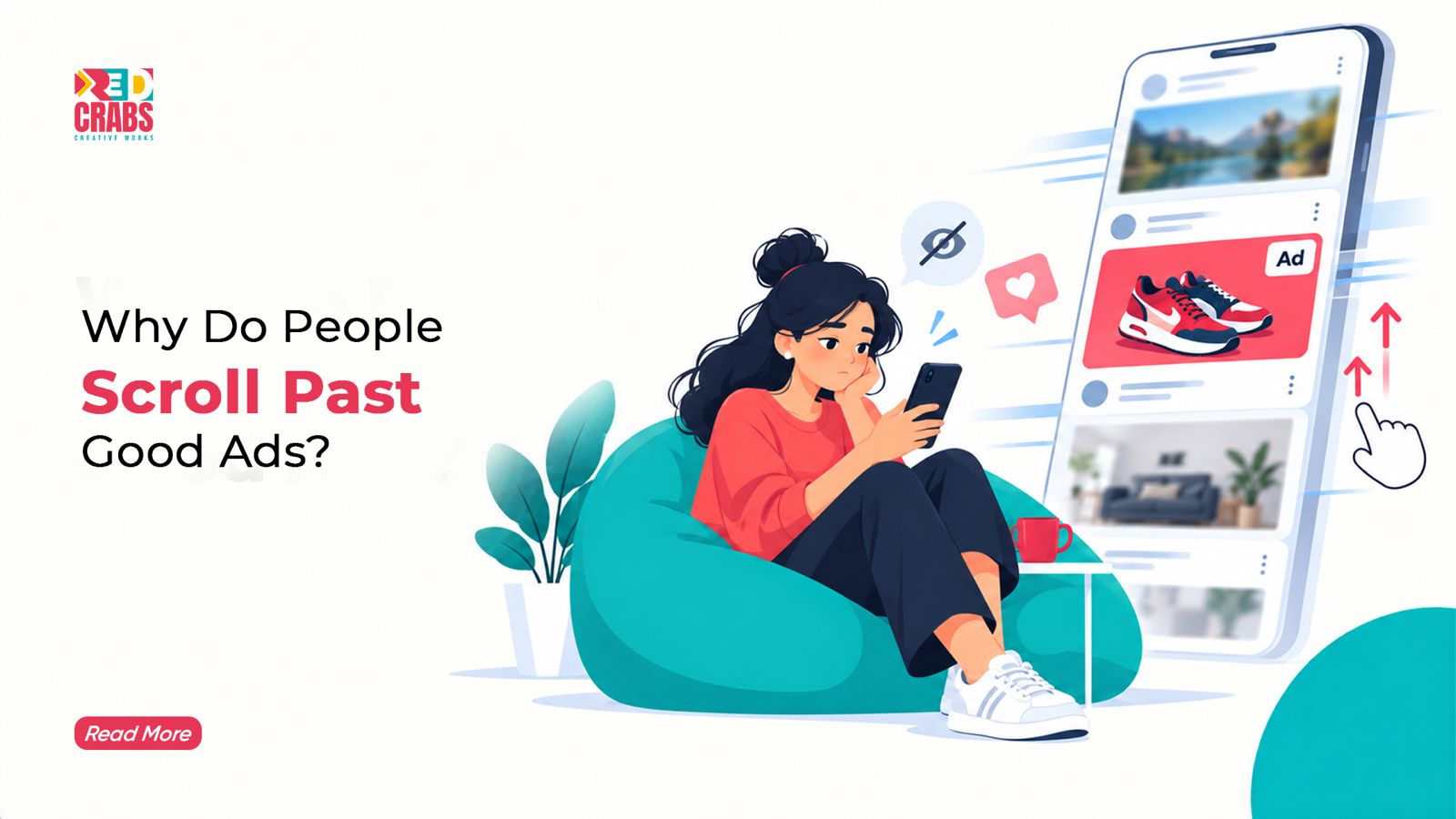
Imagine scrolling through Instagram and seeing five advertisements in a row. Every brand is talking about its latest offer, product features, discounts, and limited-time deals.
Now imagine coming across a post that describes a situation you have experienced yourself. You might stop, read the caption, share it with a friend, or leave a comment.
That is the value of relatable content.
Gen Z marketing can benefit from content that reflects everyday experiences, common frustrations, interests, and conversations. It does not always have to promote a product directly.
For example:
- A food brand could create content around the struggle of deciding what to order.
- A fashion brand could share styling ideas for different occasions instead of only displaying product photographs.
- A healthcare brand could simplify common health questions through short educational videos.
- An education brand could talk about student life, career uncertainty, and everyday campus experiences.
- A technology brand could demonstrate how its product solves a small but familiar problem.
The important part is that the content gives people something to connect with before asking them to buy something.
Relatability should come from understanding the audience, not simply using humour or popular internet references.
Trends Are Useful, But They Should Not Become Your Entire Strategy
Trends can help brands participate in conversations that are already happening online. Trending audio, popular video formats, memes, and cultural moments can give a campaign additional visibility when used appropriately.
But not every trend deserves a place in your content calendar.
A trend may be popular among one audience group and completely irrelevant to another. Some formats may suit entertainment brands but feel out of place for businesses in finance, healthcare, or professional services.
Before using a trend, consider three things:
Does it fit your brand?
If the trend contradicts your usual tone or brand positioning, participation may feel forced.
Will your audience understand it?
A trend is only useful when the people you want to reach can relate to it.
Does it help communicate something?
If the trend adds nothing to your message, it may simply become another piece of content that disappears from the feed.
A thoughtful Gen Z social media marketing approach uses trends as creative opportunities rather than treating them as compulsory content ideas.
The best trend-led campaigns adapt a popular format to communicate something specific about the brand.
Influencer Marketing: Choose Connection Over Follower Count
Influencer marketing is another area where brands often misunderstand Gen Z.
It can be tempting to choose creators based on their follower count or the number of views their videos receive. However, a large audience does not automatically mean a creator is the right fit for your brand.
A creator with a smaller but highly engaged audience may be more relevant to a particular product category. Their content style, audience interests, credibility, and relationship with their followers can all influence how a collaboration is received.
Before selecting an influencer, brands should consider:
- Does the creator’s audience match the target customer?
- Does their content style suit the brand?
- Do their followers engage meaningfully with their posts?
- Can they communicate the product naturally?
- Are sponsored partnerships clearly disclosed?
- Does the collaboration offer something useful or interesting to the audience?
The academic research on Gen Z and influencer advertising also highlights the importance of transparency and genuine creator-brand relationships. (Source: Gen Z’s Code: Cracking the Authenticity Formula in Influencer-Driven Social Media Advertising)
A good influencer collaboration should feel like a natural extension of the creator’s content, not a script that could have been handed to anyone.
Give Gen Z Something to Participate In
Traditional advertising often follows a one-way communication model. The brand creates a message, publishes it, and expects people to respond.
Social media gives brands the opportunity to make communication more interactive.
Instead of only telling people about a product, brands can invite them to participate through polls, challenges, questions, user-generated content, feedback, and creative campaigns.
For example, a fashion brand could ask followers to style one product in different ways. A restaurant could invite customers to vote for a new menu item. An educational institution could encourage students to share campus experiences. A technology brand could ask its audience to suggest features they would find useful.
This creates opportunities for people to contribute rather than simply consume content.
However, participation should have a purpose. Random giveaways and engagement questions may generate temporary activity, but meaningful interaction comes from giving audiences a reason to contribute.
The goal is to build a relationship where people feel that the brand is listening, not just broadcasting.
Don’t Confuse Gen Z Marketing With Constant Entertainment
Another common mistake is assuming that every piece of content targeting Gen Z needs to be funny, trendy, or entertaining.
While humour and entertainment can be effective, younger audiences also look for information, inspiration, product comparisons, recommendations, and practical solutions.
A brand targeting young professionals, for instance, may need to explain its services clearly. A skincare company may need to provide useful product information. An education brand may need to answer questions about courses, admissions, and career opportunities.
Pew Research Center’s 2025 research found that many US teenagers use social platforms for connection and creative expression, while also reporting concerns about the effects of social media. This is a reminder that young audiences have varied experiences online and should not be reduced to a single content preference. (Source: Pew Research Center, Teens, Social Media and Mental Health)
Your content mix should reflect the different reasons people follow a brand.
A balanced strategy can include:
- Educational content that answers genuine questions.
- Entertaining content that reflects the brand personality.
- Product-focused content that explains benefits.
- Community-led content that encourages participation.
- Brand storytelling that communicates values and experiences.
You do not need to entertain people in every post. You need to give them a reason to keep paying attention.
How to Build a Gen Z Marketing Strategy Without Trying Too Hard
A successful approach starts with understanding the audience rather than deciding which trend to use next.
Here are a few practical steps brands can follow.
1. Define the audience more clearly
Do not stop at saying your target audience is Gen Z. Identify the age group, location, interests, lifestyle, purchasing behaviour, and needs of the people you want to reach.
2. Develop a recognisable brand voice
Decide how your brand should communicate. It can be friendly, informative, humorous, professional, or a combination of these. The important thing is consistency.
3. Create content around real interests
Use customer questions, social conversations, feedback, and audience insights to develop ideas. Content should reflect what people care about rather than what the brand wants to promote every day.
4. Use trends selectively
Monitor trends and evaluate whether they fit your audience and message. Experiment with formats, but do not let trends determine your entire content calendar.
5. Work with relevant creators
Choose influencers based on audience fit, content quality, credibility, and engagement rather than follower count alone.
6. Encourage genuine interaction
Give people opportunities to share opinions, ask questions, participate in campaigns, and contribute content.
7. Measure more than likes and views
Look at profile visits, saves, shares, website traffic, enquiries, conversions, and audience sentiment. These metrics help you understand whether your content is contributing to actual marketing goals.
A strong strategy should evolve based on what the audience responds to, not simply what is popular that week.
How a Digital Marketing Agency in Hyderabad Can Help
Understanding Gen Z requires more than following social media trends or creating a few entertaining Reels. Brands need to understand their audience, develop a consistent voice, choose relevant platforms, and create content that connects with real interests.
A digital marketing agency in Hyderabad can help businesses bring these elements together through audience research, content strategy, social media management, influencer marketing, creative campaigns, and performance analysis.
At RedCrabs Creative Works, Gen Z marketing should be approached with a balance of creativity and strategy. The focus is not on making every brand sound younger or using every trending format. It is about identifying what makes a brand relevant to its intended audience and communicating that through the right content.
Businesses looking for an online marketing agency should look beyond how many Reels an agency can create or how quickly it can recreate a viral trend. A good strategy should explain why the content is being created, who it is intended to reach, and what the brand wants to achieve.
Because understanding an audience is always more valuable than trying to imitate one.
The Bottom Line: Don’t Pretend to Be Gen Z. Understand Gen Z.
Marketing to Gen Z does not require brands to change their entire personality, fill every caption with slang, or turn every campaign into a meme.
It requires listening, observing, understanding, and communicating in a way that feels natural to the people you want to reach.
Trends can create visibility. Influencers can introduce your brand to new audiences. Relatable content can encourage interaction. But consistency, credibility, and a clear brand identity are what help build stronger relationships over time.
The next time your brand plans a campaign for Gen Z, ask a simple question: Are we creating something this audience would genuinely enjoy, or are we just trying to look like we belong?
That difference can change the way your brand communicates.
Want to connect with younger audiences without losing your brand identity? Connect with RedCrabs Creative Works for thoughtful content, creative campaigns, and digital marketing strategies built around your audience. Get in touch with RedCrabs.