



Modern branding strategies are no longer driven by how bold a brand looks, but by how clearly it thinks.
Audiences today don’t give brands time to warm up. They encounter fragments: a line of copy, a visual moment, a homepage skimmed in seconds. In those moments, brands are either understood or ignored. There is rarely a second chance.
As we move closer to 2026, branding is becoming quieter, more intentional, and more disciplined. Identity is no longer decoration. It is infrastructure. This manifesto outlines the principles shaping modern brand identity now and the rules that will define relevance in the years ahead.
- Clarity is the foundation everything else rests on
Most branding failures don’t come from poor creativity. They come from unclear thinking.
When a brand cannot clearly articulate what it does, who it’s for, and why it exists, every downstream decision becomes compromised. Messaging becomes vague. Design becomes decorative. Marketing becomes inconsistent.
Studies show that 59% of consumers prefer brands they feel they understand (Nielsen). Understanding is not built through storytelling layers or clever phrasing. It’s built through precision.
Any brand identity guide 2026 worth following begins with ruthless clarity. Not simplification for the sake of ease, but clarity for the sake of trust.
- Brand identity is no longer visual-first,it’ssystem-first
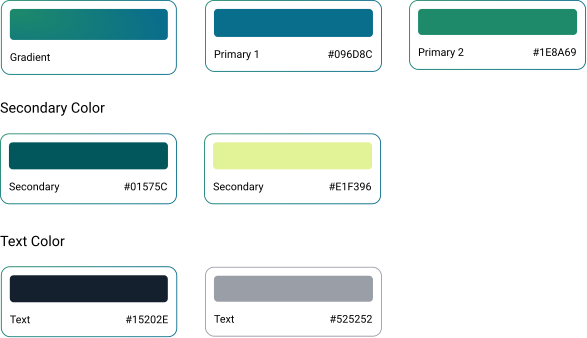
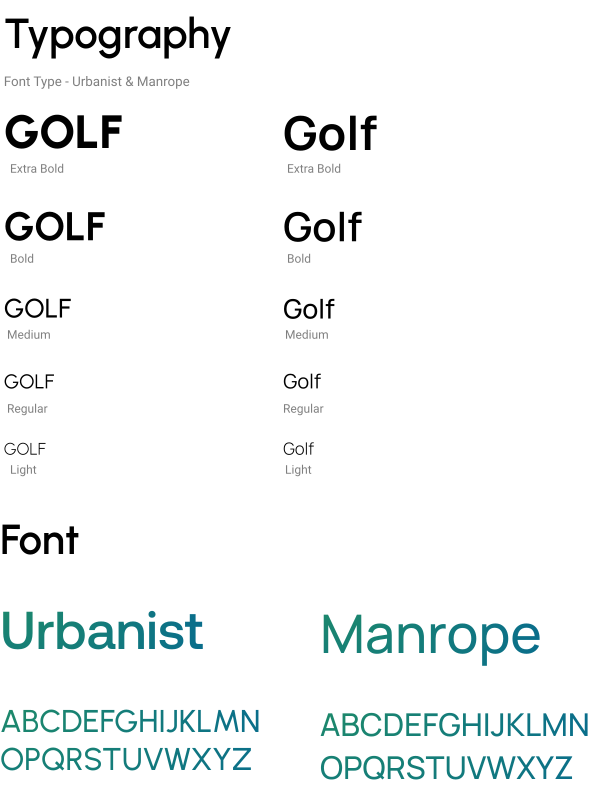
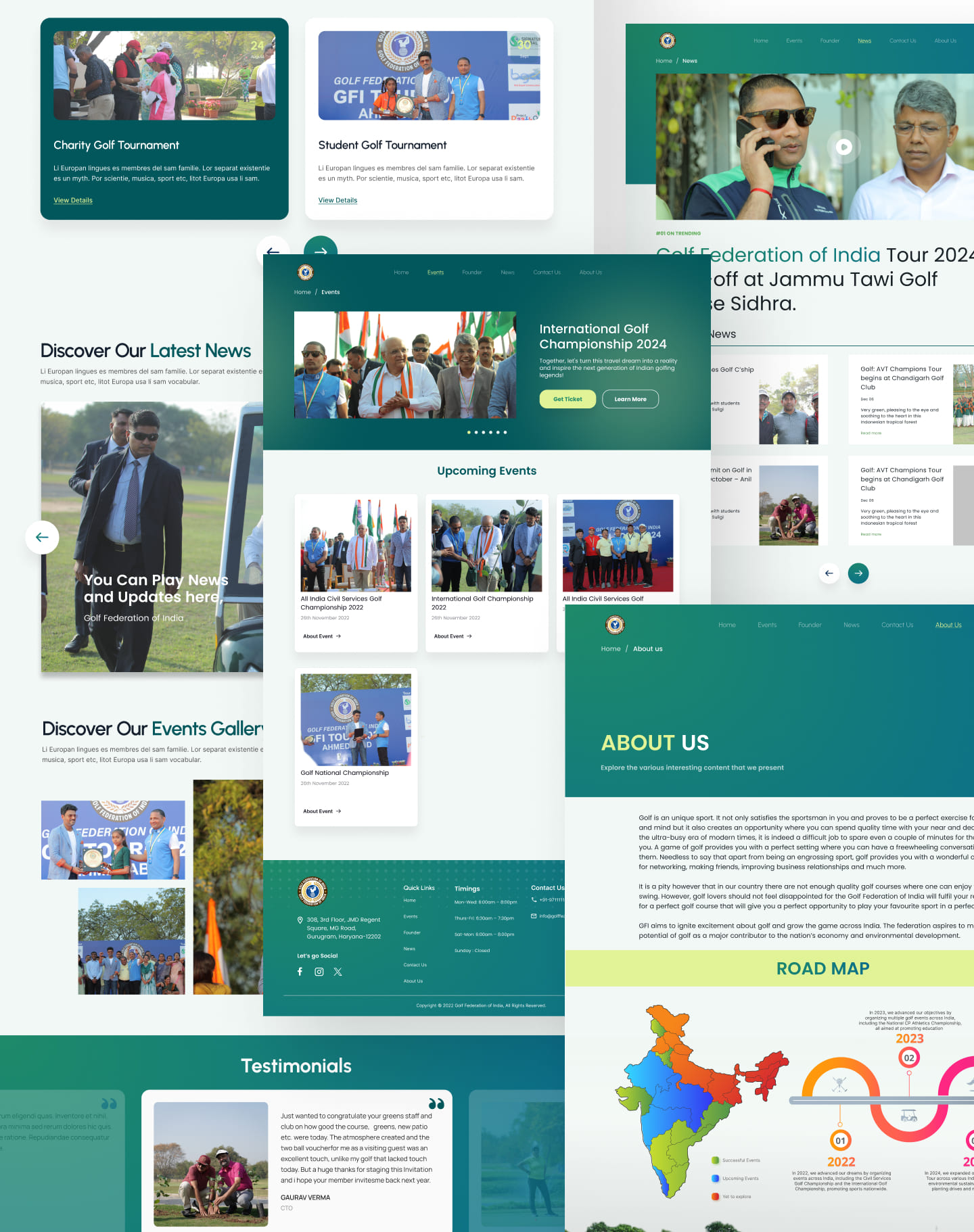
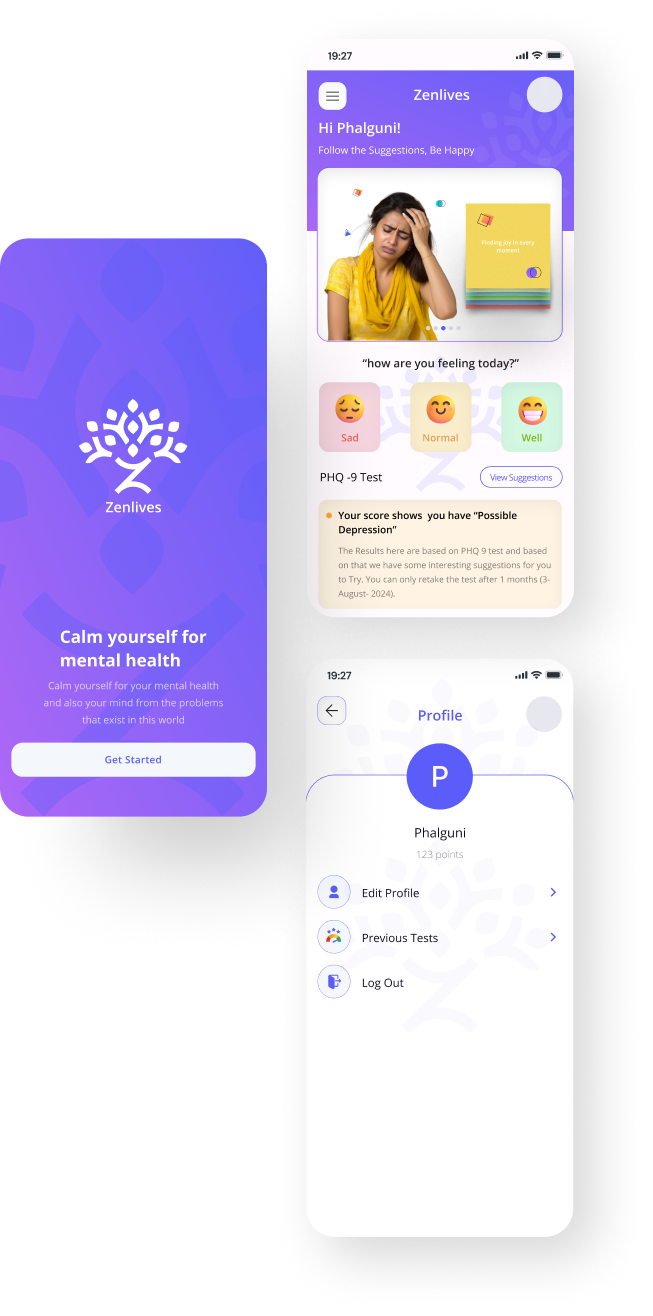
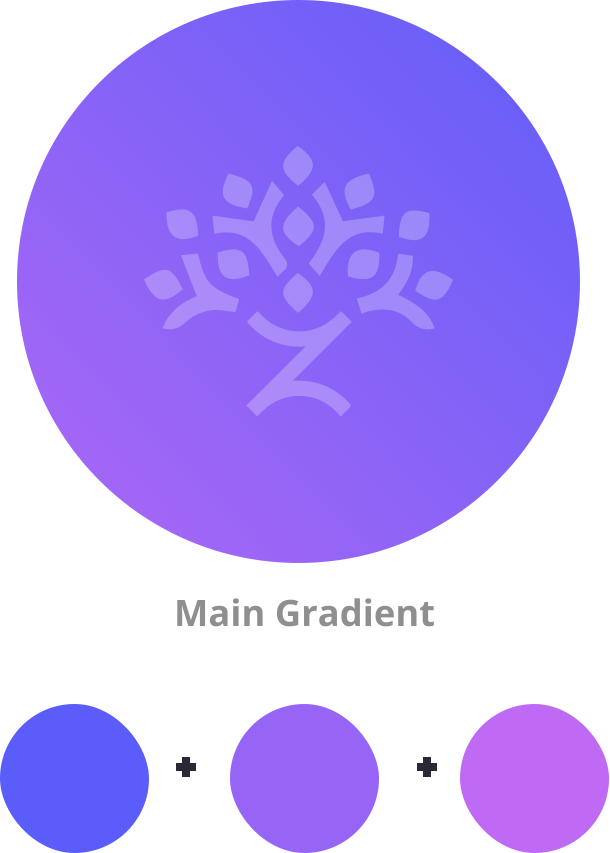
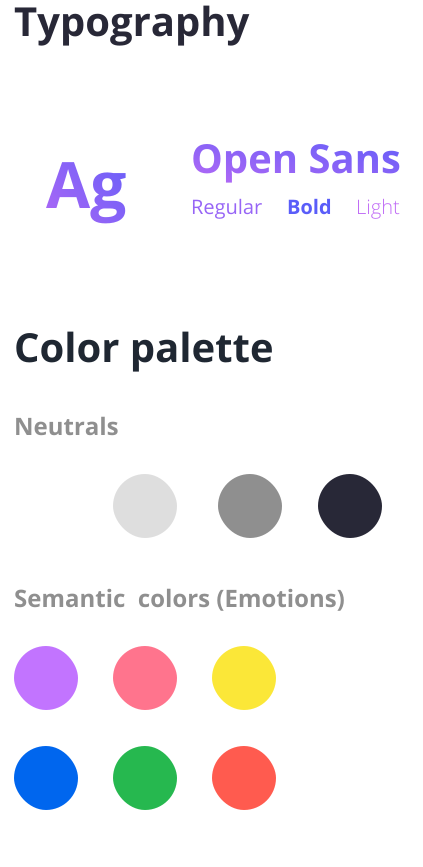
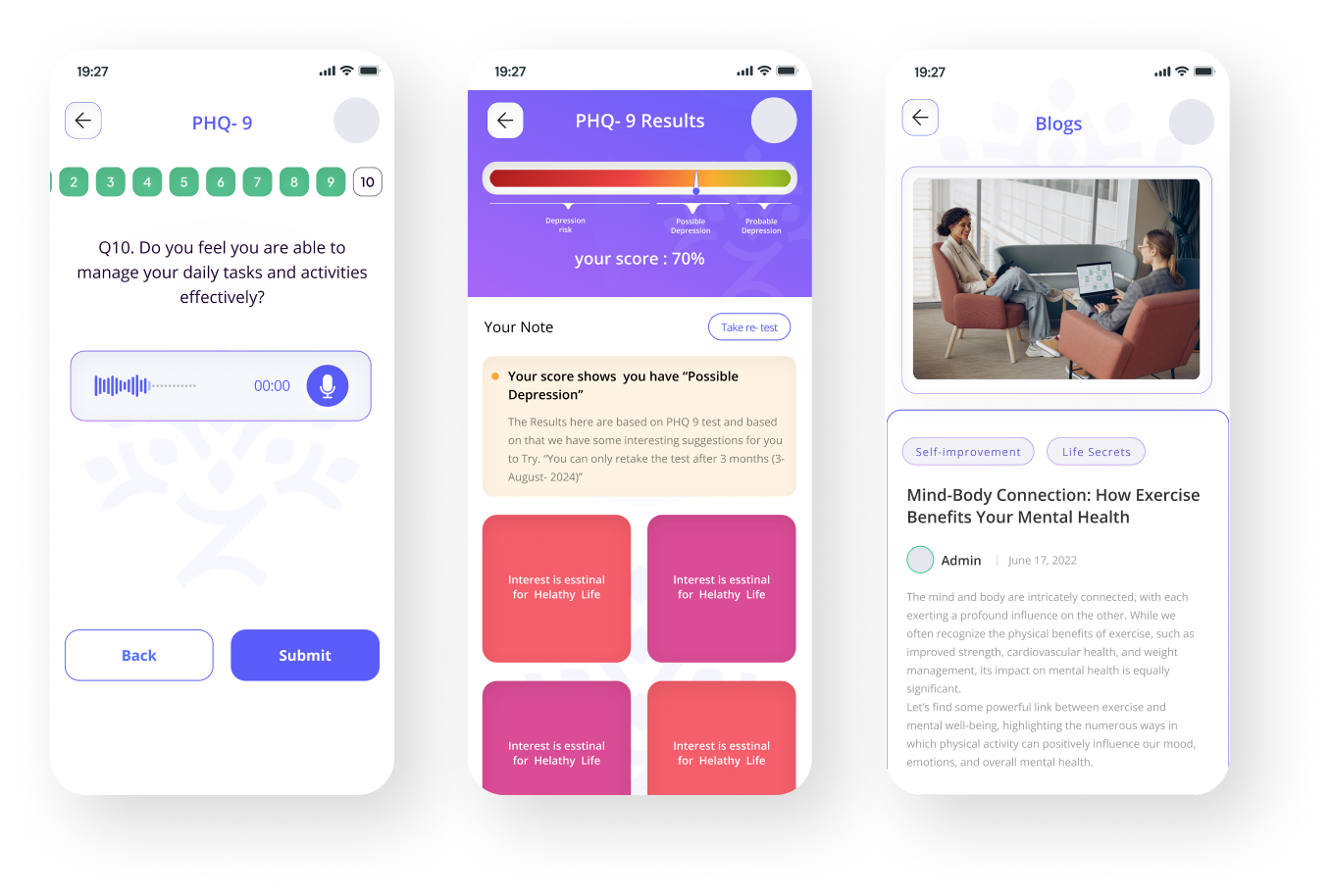
A logo is a symbol. An identity is a system of choices repeated consistently over time. Modern brand identity lives across interfaces, platforms, and behaviours. It’s present in how information is structured, how language is used, how content is prioritised, and how decisions are made internally.
Brands that operate with clear identity systems experience measurable advantages. Research shows that consistent brand presentation can increase revenue by up to 33% (Marq). This is not aesthetic consistency. It’s strategic alignment.
These modern brand identity rules prioritise coherence over decoration.
- Design must serve understanding, not expression
Expression without understanding creates noise. Design today must work in imperfect, distracted environments. It must communicate meaning instantly, without explanation. Hierarchy, spacing, and restraint now matter more than visual complexity.
Modern branding strategies focus on reducing cognitive effort. The easier it is to process a brand, the more trustworthy it feels. Design should guide the eye, not challenge it.
Great design doesn’t demand attention. It earns it quietly.
- Language has become a credibility signal
The way a brand speaks now carries as much weight as what it shows. Overly polished, inflated language creates distance. Calm, grounded communication creates confidence. According to trust research, 81% of people say trust is a deciding factor when choosing a brand (Edelman).
Modern brand identity sounds assured, not exaggerated. Human, not performative. The goal is not to impress, but to be believed.
- Flexibility is not optional, it is designed in
Brands today operate across more contexts than ever before. Websites, social platforms, presentations, videos, internal documents, and evolving formats all demand different expressions of the same identity. Rigid systems fracture under this pressure.
A practical brand identity guide 2026 is built on principles that allow flexibility without dilution. The identity holds its shape even as it adapts.
Recognition matters more than uniformity.
- Strategy must precede aesthetics, always
Visual change without strategic clarity is temporary. Modern branding strategies begin with understanding: the business model, the audience’s mindset, the competitive landscape, and the long-term direction. Design then becomes a tool to reinforce that clarity, not compensate for its absence.
This is why brands that invest in strategic foundations avoid frequent rebrands and fragmented identities. Thoughtful branding services help build identities that age well rather than expire quickly.
- Emotion is now part of performance, notperception
Emotion is no longer abstract or intangible. Research shows that emotionally relevant brands see up to 23% higher consideration (Google). People don’t remember what a brand says as much as how it made them feel while interacting with it.
Modern brand identity is designed around emotional consistency. The feeling a brand creates should be as intentional as its visuals.
- Internal clarity shapes external trust
A brand is also an internal system. When teams understand the brand’s principles, decisions become faster and more aligned. Content feels cohesive. Communication feels intentional. Inconsistency often originates internally long before it appears externally.
Many modern brand identity rules fail because they focus only on outward expression. Strong brands are built from the inside out.
- Relevance is sustained through intention, not reaction
Branding is not a launch moment. It is an ongoing discipline. Markets evolve. Platforms change. Audiences mature. Brands that remain relevant revisit their identity with purpose, refining without losing their core. This is where long-term brand strategy services play a crucial role.
Relevance is maintained through thoughtful evolution, not constant reinvention.
- The brands that last feel deliberate
The strongest brands don’t feel busy or noisy. They feel composed. Every element feels considered. Nothing appears accidental. This sense of intention builds trust quietly over time.
As we move toward 2026, this deliberate clarity is becoming the defining trait of high-impact modern brand identity.
Closing thought
Branding is shifting away from excess and toward meaning. Away from surface-level expression and toward systems that support clarity, trust, and longevity.
If you’re building or refining a brand and want an identity grounded in strategy, structure, and long-term relevance, this philosophy reflects how RedCrabs Creative Works approaches modern brand building.
Explore our branding services or reach out through our contact page to begin shaping an identity designed to endure what’s next.