





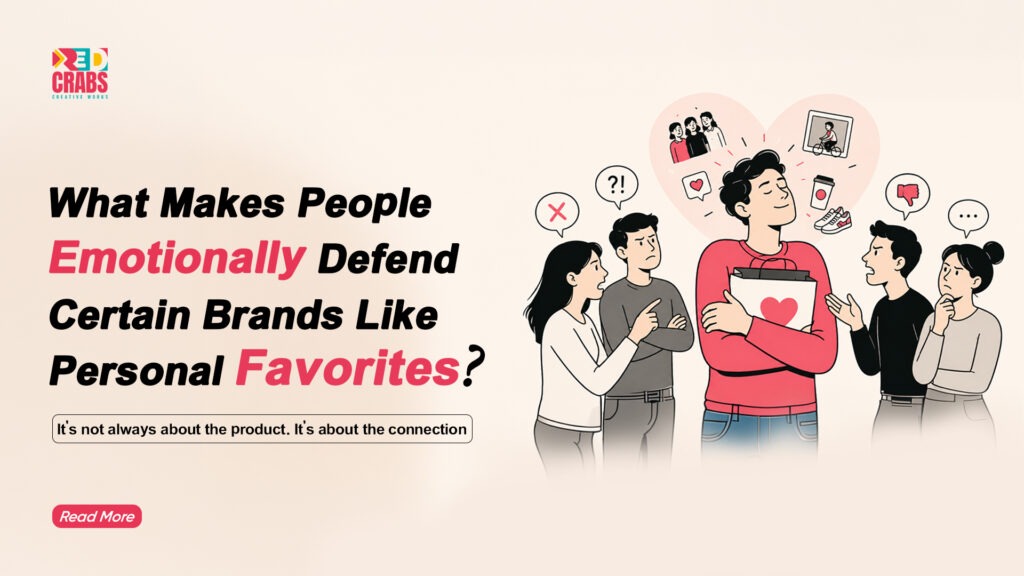
Have you ever noticed how a simple conversation about a product or service can suddenly become personal? Someone mentions they are considering trying a different business, and another person immediately steps in to defend the one they have always trusted. Surprisingly, they rarely talk about pricing, features, or specifications. Instead, they share stories. They recall how the business solved a problem, exceeded expectations, or consistently delivered a positive experience. Those stories reveal an important truth about consumer behavior. People rarely defend businesses because of what they sell. They defend them because of how those businesses make them feel.
This is where Brand Loyalty Psychology becomes one of the most fascinating areas of modern marketing. While many businesses believe customer loyalty is created through discounts, promotions, or product quality alone, the reality is far more complex. Long-term loyalty develops when customers build an emotional relationship with a business. Over time, repeated positive experiences create trust, familiarity, and confidence, transforming a simple transaction into a lasting connection. That process forms the foundation of a successful Emotional Branding Strategy, helping businesses create advocates instead of just customers.
Why Emotion Shapes Consumer Decisions
Consumers often like to believe they make rational purchasing decisions. However, behavioral research suggests that emotions influence buying decisions long before logic enters the picture. Rather than carefully comparing every available option, people rely on previous experiences, mental shortcuts, and emotional associations to simplify decision-making. This explains why two businesses offering similar products can experience completely different levels of customer loyalty.
Harvard Business School professor Gerald Zaltman estimated that nearly 95% of purchasing decisions happen in the subconscious mind, demonstrating how strongly emotions influence consumer behavior. While product quality and pricing remain important, they are often the factors customers use to justify a decision they have already made emotionally. (Harvard)
For marketers, this insight changes the objective completely. Instead of focusing only on selling products, businesses should focus on creating memorable experiences throughout the customer journey. Every interaction contributes to the way customers perceive the business, gradually strengthening trust and encouraging repeat purchases.
Loyalty Is Built Through Experiences, Not Transactions
Many businesses assume customer loyalty begins after a successful purchase. In reality, loyalty starts much earlier. It develops through every interaction customers have with a business, whether they are browsing a website, reading social media content, speaking with customer support, or receiving post-purchase communication.
A strong Emotional Branding Strategy focuses on creating consistency across each of these touchpoints. Rather than relying on occasional campaigns, successful businesses ensure that every customer experience reflects the same values, tone, and level of service. Over time, these repeated interactions reduce uncertainty, making customers feel more confident about returning.
Some of the strongest contributors to emotional loyalty include:
- Consistent customer experiences across every touchpoint.
- Authentic communication that feels honest rather than promotional.
- Personalized interactions that make customers feel valued.
- Reliable service that consistently delivers on expectations.
- Storytelling that focuses on customer experiences instead of product features.
- Clear brand positioning that helps customers understand what the business represents.
When these elements work together, customers begin developing an emotional connection with brands, making loyalty far more resilient than price-driven purchasing decisions.
Why Customers Defend Businesses They Trust
One of the most overlooked aspects of Brand Loyalty Psychology is that people are not simply defending a business. They are often defending the experiences they have had with it. Positive memories create confidence, and confidence gradually becomes part of the customer’s decision-making process.
Psychologists have long explained this through concepts such as familiarity and self-congruity. Consumers naturally prefer businesses that align with their expectations, values, and previous positive experiences. Once trust has been established, customers become less interested in constantly comparing alternatives because the existing relationship already provides reassurance.
Throughout our work with businesses across different industries at RedCrabs, one pattern has consistently stood out. The brands that leave a lasting impression are rarely the ones spending the most on advertising. Instead, they are the ones that understand how every interaction shapes perception. A well-designed website, a timely response to a customer query, consistent messaging across platforms, and thoughtful storytelling may seem like small details individually, but together they shape how people feel about a business. We’ve seen that emotional loyalty is rarely created through a single campaign. It is built through a series of positive experiences that reinforce trust, familiarity, and credibility over time. When customers repeatedly experience that level of consistency, they stop viewing the business as just another option in the market. It becomes the business they instinctively return to, confidently recommend to others, and genuinely defend when alternatives are available.
Consistency Creates Stronger Relationships Than Promotions
In competitive markets, many businesses believe they must constantly introduce new campaigns to stay relevant. While innovation is important, consistency often has a greater impact on customer retention. Familiar experiences reduce uncertainty, making purchasing decisions easier and more comfortable for consumers.
This concept is supported by the Mere Exposure Effect, which suggests that repeated positive exposure gradually increases familiarity and preference. Consistent branding, messaging, customer service, and communication all contribute to stronger brand recall and higher customer confidence. (APA)
This is why successful customer loyalty marketing extends beyond advertising. It focuses on delivering a reliable experience at every stage of the customer journey, ensuring that trust is reinforced with every interaction rather than depending on occasional promotional campaigns.
Building Emotional Loyalty Is a Long-Term Investment
Businesses that prioritize short-term sales often overlook the value of long-term relationships. While promotions may increase immediate conversions, they rarely create lasting loyalty on their own. Emotional loyalty develops when customers consistently feel respected, understood, and appreciated throughout their journey.
An effective Emotional Branding Strategy combines thoughtful storytelling, consistent customer experiences, clear positioning, and meaningful communication to create relationships that extend beyond individual purchases. According to the Edelman Trust Barometer, trust remains one of the strongest influences on consumer decision-making, reinforcing the importance of transparency and authenticity in building long-term customer relationships. (Edelman)
Key Takeaways
Creating loyal customers requires more than delivering a good product. It requires understanding the emotions that influence consumer behavior and designing experiences that customers genuinely remember.
Some of the most important lessons include:
- Customers remember experiences longer than promotional campaigns.
- Trust develops through consistency rather than isolated marketing efforts.
- Emotional connections influence loyalty more than product features alone.
- Positive customer experiences naturally encourage advocacy and referrals.
- Long-term relationships generate significantly greater value than one-time transactions.
Final Thoughts
In today’s competitive marketplace, products and services can often be replicated, but emotional relationships cannot. Businesses that understand Brand Loyalty Psychology recognize that loyalty is earned through every interaction, every conversation, and every experience customers have with the brand. By investing in an Emotional Branding Strategy, strengthening customer loyalty marketing, and creating an authentic emotional connection with brands, businesses can build communities of loyal customers who continue choosing them even when alternatives exist.
At RedCrabs, we help businesses transform these principles into branding and marketing strategies that create real connections with their audiences. If you’re ready to build a brand people don’t just recognize but genuinely remember, explore our Branding & Digital Marketing Services or get in touch with our team to start the conversation.